Work log- This week I transferred my footage to premiere and began editing. I started cutting clips and arranging them. Also added a few transitions.
This week I wanted to start investigating documentaries. Here are the three types that I have learned about so far and some examples of the three types.
Observational Documentaries-
The main objective of observational documentaries is to simply observe the subject of the film. This style shows the audience first-hand footage of a subject and does not include any interruptions from the filmmaker. Other names for observational documentaries include cinema verite style, direct cinema, or fly-on-the-wall filmmaking.
Example- Last Chance U is a sports documentary with the style of an observational documentary. There is no narration or interruption from the film crew. All the dialogue from the show comes from real conversations during a scene or sometimes from interviews. The documentary gives the audience a perspective on what it is like playing college football from the POV of players and coaches.

Participatory Documentaries-
Participatory documentaries include a subject that is being observed. In addition to that the filmmaker is included in the film either through narration or by actually appearing in the film. This allows the filmmaker to influence the narrative of the film or include their perspective on the subject.
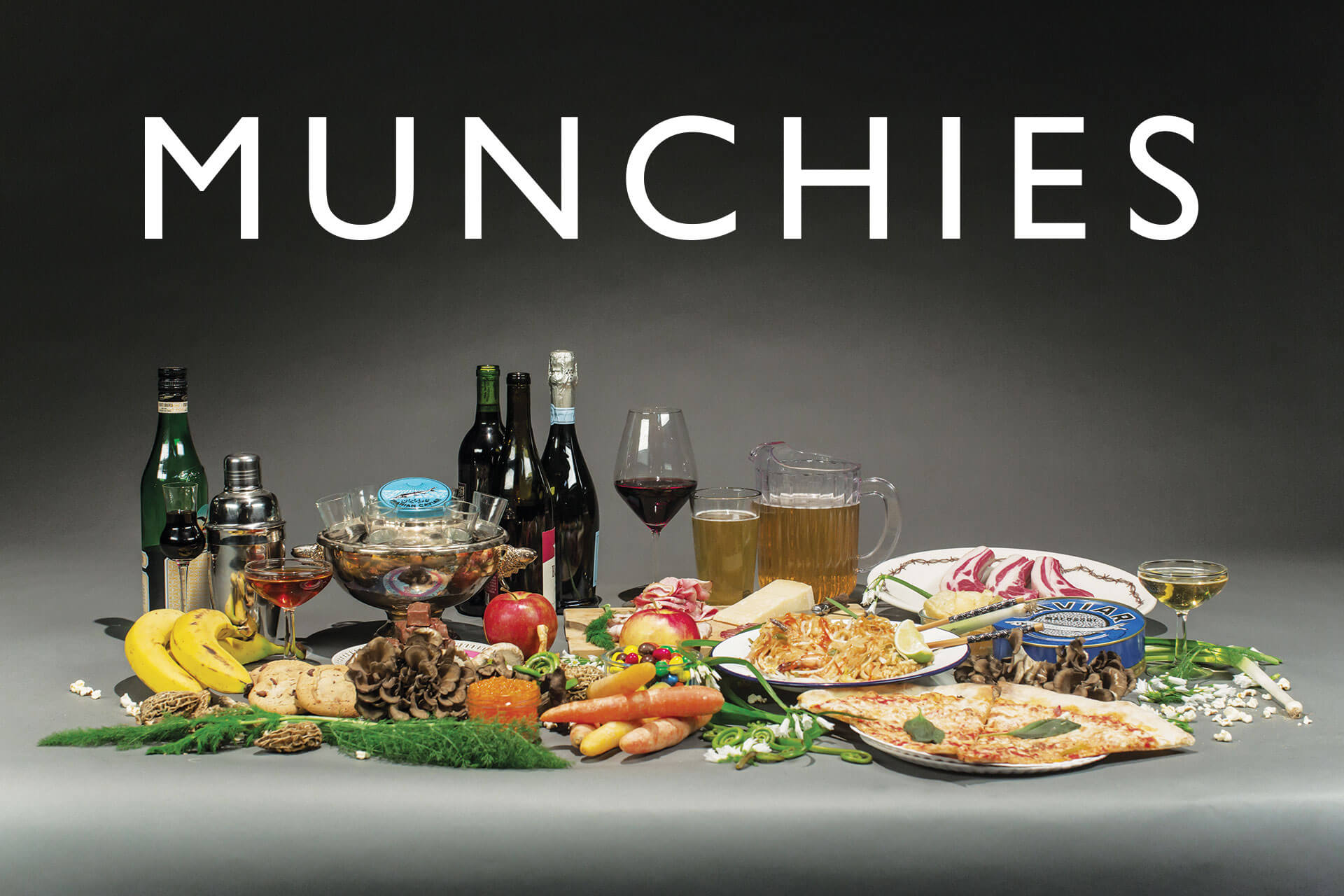
Example- Munchies is a collection of food documentaries filmed by "Vice". They have multiple videos that follow journalists trying new foods or interviewing restaurant owners. What makes these documentaries participatory is the inclusion of the journalist. They will often try foods and give their opinions or ask questions to better understand the subject.
Poetic Documentaries-
Poetic documentaries differ from the traditional style of documentaries. Instead of focusing on the observation of a subject. Poetic documentaries focus more on evoking emotions and feelings. They tend to be loose with the narrative and unconventional.
Example- The Choe Show could be seen as a participatory documentary, but I feel the main purpose of the show fits the style of a poetic documentary. The Choe Show follows David Choe (Korean-American Artist) while he interviews other artists or close friends. The documentary delves into old trauma and emotional obstacles Choe and the cast have dealt with. The show follows how they navigate and cope with these obstacles.
%7C(0%2C0%2C0%2C0)%7C(0%2C600)%7C(0%2C240)%22%7D%2C%7B%22overlay%22%3A%7B%22position%22%3A%22SouthEast%7C(30%2C30)%22%2C%22operations%22%3A%5B%7B%22image%22%3A%22image_manager%7Ca68d3da0-36fd-482f-9df9-a99c58ed9c45%22%7D%2C%7B%22resize%22%3A%22204x204%7Cmax%22%7D%2C%7B%22extent%22%3A%22204x204%22%7D%5D%7D%7D%2C%5D)
Comments
Post a Comment